
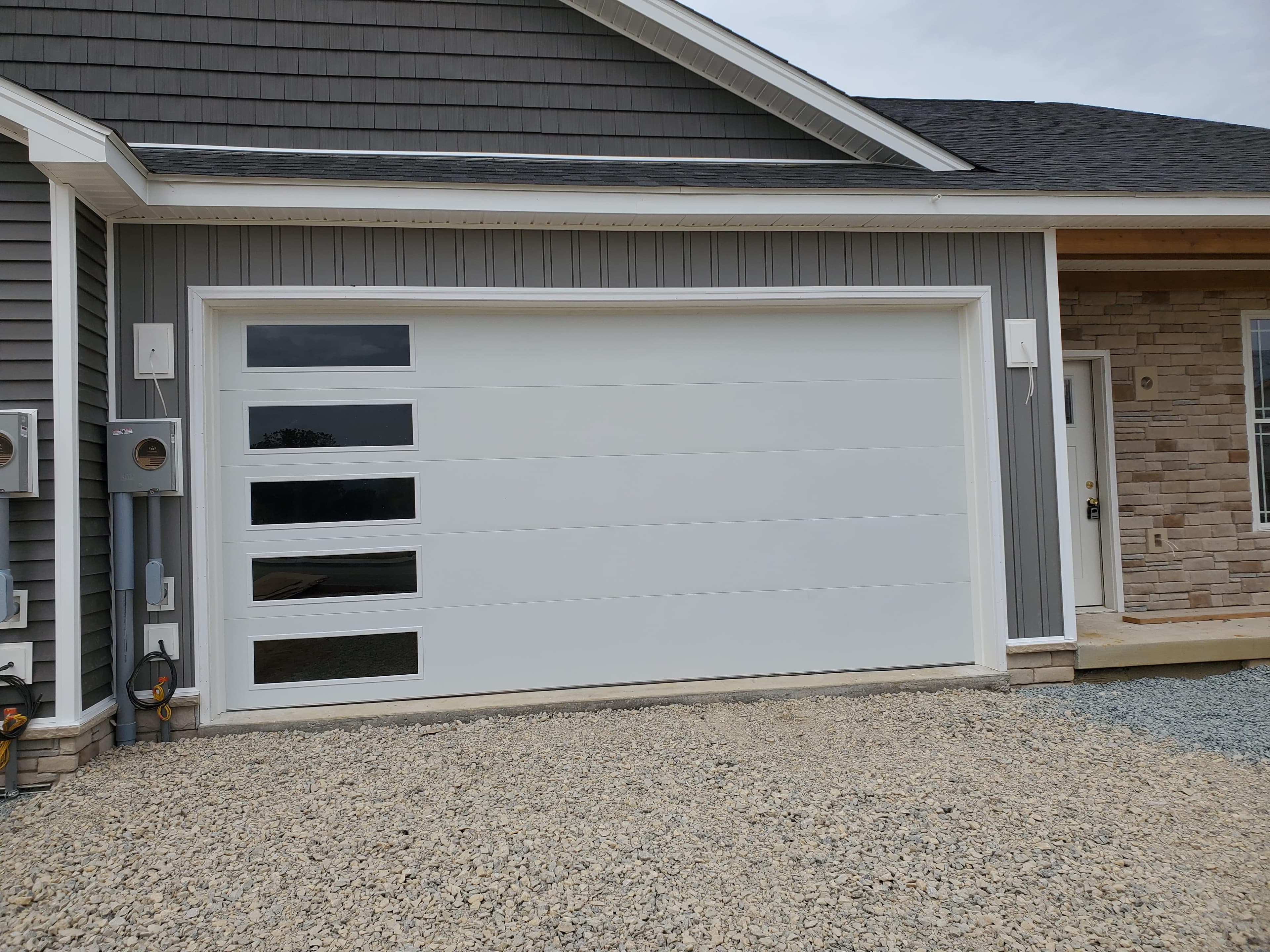
A garage door spring does not wear out on a calendar. Its life is measured in cycles, and one cycle is the door opening once and closing once. How long your springs last depends on the cycle rating of the springs fitted to your door, how often the door is used, how heavy and well balanced the door is, the climate it works in, and how well it is maintained. A Mountain Air technician can check the springs on your door and tell you what they are rated for.
How Garage Door Springs Work
Your garage door is the largest moving object in most homes, and the springs do the heavy lifting. They store tension as the door closes and release it as the door opens, which counterbalances the weight of the door. The opener does not lift the full weight of the door. It guides a door that the springs have already balanced, which is why a worn spring puts extra strain on your garage door opener.
Clopay's guide to garage door spring systems explains how the two main spring types carry that load.
Why Spring Life Is Measured in Cycles, Not Years
Every spring is manufactured to handle a certain number of cycles before the steel fatigues. That number is set by the wire size, length, and design of the spring, so two springs that look alike can be rated very differently.
This is why years are a poor guide. A household that uses the garage as its main entrance may open and close the door many times a day, while a household that parks in the driveway may barely use it. The same spring will wear out at a very different pace in each home. The better question is how often your door cycles and what your springs are rated for.
Torsion Springs vs Extension Springs
Torsion Springs
Torsion springs are mounted on a shaft above the door opening. They are wound to create tension and twist as the door moves. They give smooth, controlled travel and are common on heavier residential doors.
Extension Springs
Extension springs run alongside the horizontal tracks and stretch as the door closes. They are often found on lighter doors and in garages with limited headroom. Every extension spring should have a safety cable running through it, so that if the spring breaks it cannot whip loose across the garage.
What Shortens the Life of a Garage Door Spring
Several everyday factors wear springs out faster.
- Heavy daily use. More cycles mean the spring reaches its rating sooner.
- A door that is out of balance. An unbalanced door makes one spring or the opener work harder than it should.
- Rust and moisture. Corrosion adds friction between the coils and weakens the steel.
- Pennsylvania winters. Cold temperatures and repeated freeze and thaw put added stress on metal parts.
- No lubrication. Dry springs and hardware wear faster and make more noise.
- The wrong spring size. Springs must be matched to the exact weight of the door.
- A heavier door. Adding insulation, windows, or a new door design changes the weight. If you are planning new residential garage doors, the springs need to be sized for the new door.
Warning Signs Your Spring Is Wearing Out
Springs usually give some warning before they fail. Watch for these signs.
- A visible gap between the coils of a torsion spring
- The door feels heavy when lifted by hand
- The door will not stay in place when stopped halfway
- The door moves unevenly or jerks as it travels
- A loud bang from the garage when no one was using the door
- The opener strains, or the door reverses before it reaches the floor
That last sign can have several causes. Our guide on why your garage door will not close covers the other common faults to rule out.
What Happens When a Garage Door Spring Breaks?
When a spring breaks, the door loses the counterbalance that makes it manageable. The door becomes very heavy, and the opener may not be able to lift it at all.
If you suspect a broken spring, follow these steps.
- Stop using the opener and leave the door closed.
- Keep children, pets, and vehicles clear of the door.
- Do not try to force the door open or adjust the springs.
- Call a trained garage door technician.
The Door and Access Systems Manufacturers Association lists springs among the most dangerous parts of a garage door in its garage door safety tips. It also recommends replacing both springs when one fails, because the second spring has gone through the same number of cycles.
How to Help Your Springs Last Longer
You cannot stop springs from wearing out, but good care helps them reach their full rating.
- Look the door over each month. The Consumer Product Safety Commission's garage door safety guide recommends regular checks of the door and opener, including whether the springs are working properly.
- Lubricate moving parts. Use a lubricant made for garage doors on the springs, hinges, and rollers.
- Book a yearly service. Our technicians check balance, spring tension, cables, and hardware during a garage door service and repair visit.
- Leave spring adjustments to a professional. Springs hold a great deal of tension and should only be adjusted by trained technicians.
C.H.I. Overhead Doors also shares practical maintenance tips for your garage door that help the whole system last longer.
Frequently Asked Questions
Can I replace a garage door spring myself?
Should both springs be replaced at the same time?
Can I still use my garage door with a broken spring?
Book a Garage Door Spring Inspection
Family-owned since 2001, Mountain Air Garage Doors serves homeowners across South Central Pennsylvania and Maryland. If your door is showing any of the warning signs above, our technicians can inspect your springs, check the balance of your door, and recommend the right repair. Contact us today to book a visit.
Talk to Mountain Air Garage Doors
- Contact Number: +1 814-447-3570
- Email: sales@mtairgaragedoor.com
- Shirleysburg Main Office & Showroom
17339 Croghan Pike
Shirleysburg, PA 17260 - Monday – Friday: 7:00 AM – 5:00 PM